




Description
Product Overview
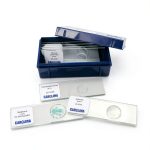
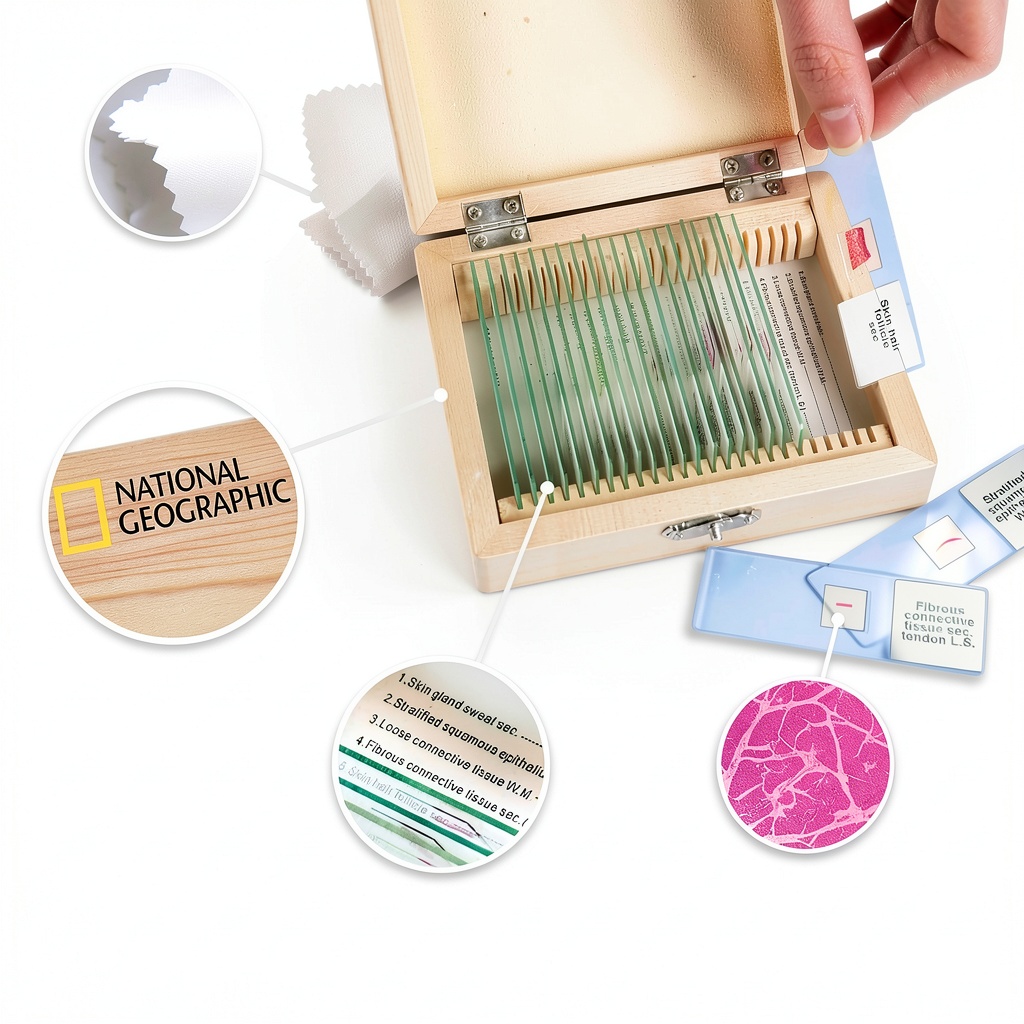
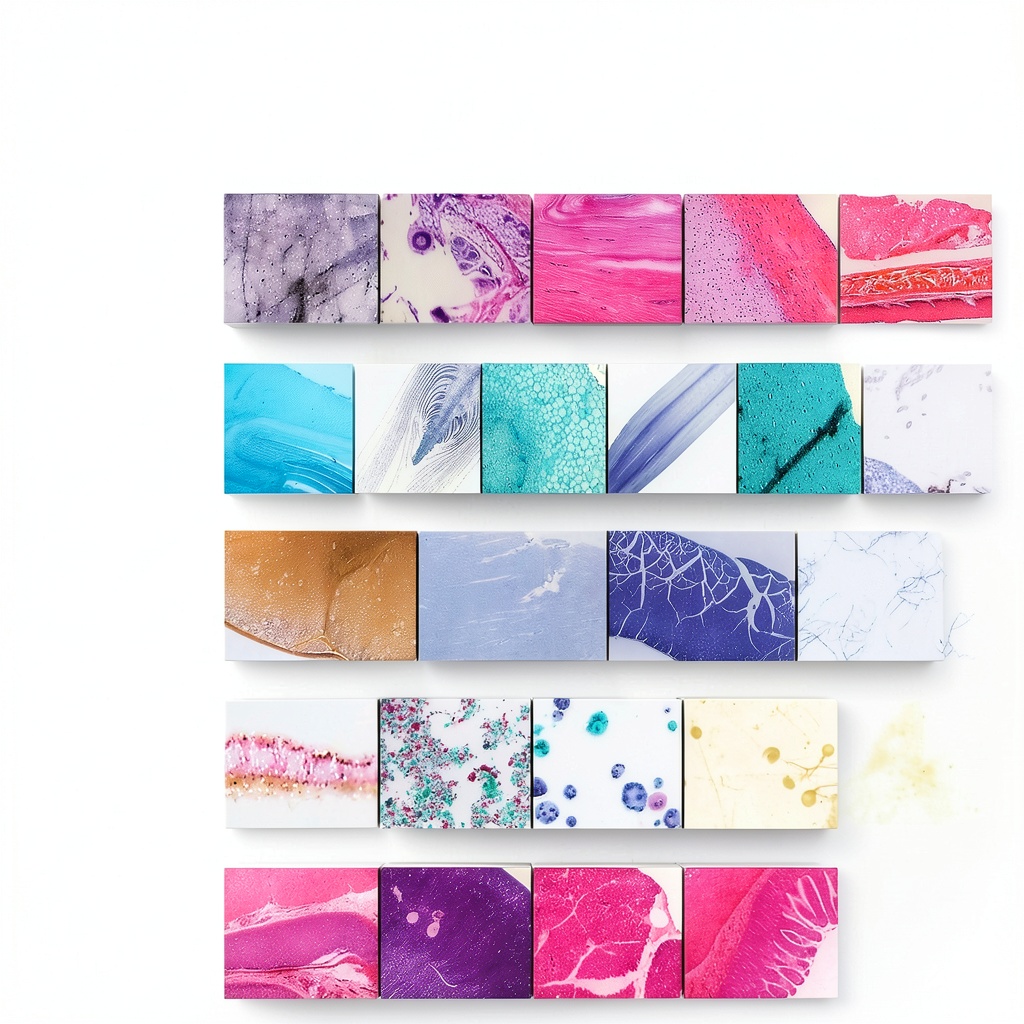
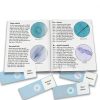
National Geographic brings the laboratory to the classroom with a meticulously curated collection of 25 prepared microscope slides. Each slide showcases a distinct biological specimen—ranging from delicate plant leaves and vibrant insect wings to intricate cross‑sections of muscle and nerve tissue. The slides are mounted on premium optical glass, providing crystal‑clear clarity that reveals cellular structures and textures with remarkable detail. Accompanying the slides is a handcrafted cedar storage case, designed to protect the fragile glass while offering built‑in labels for effortless organization. The case’s natural wood finish not only adds durability but also creates an appealing visual cue that encourages students to handle scientific equipment responsibly.
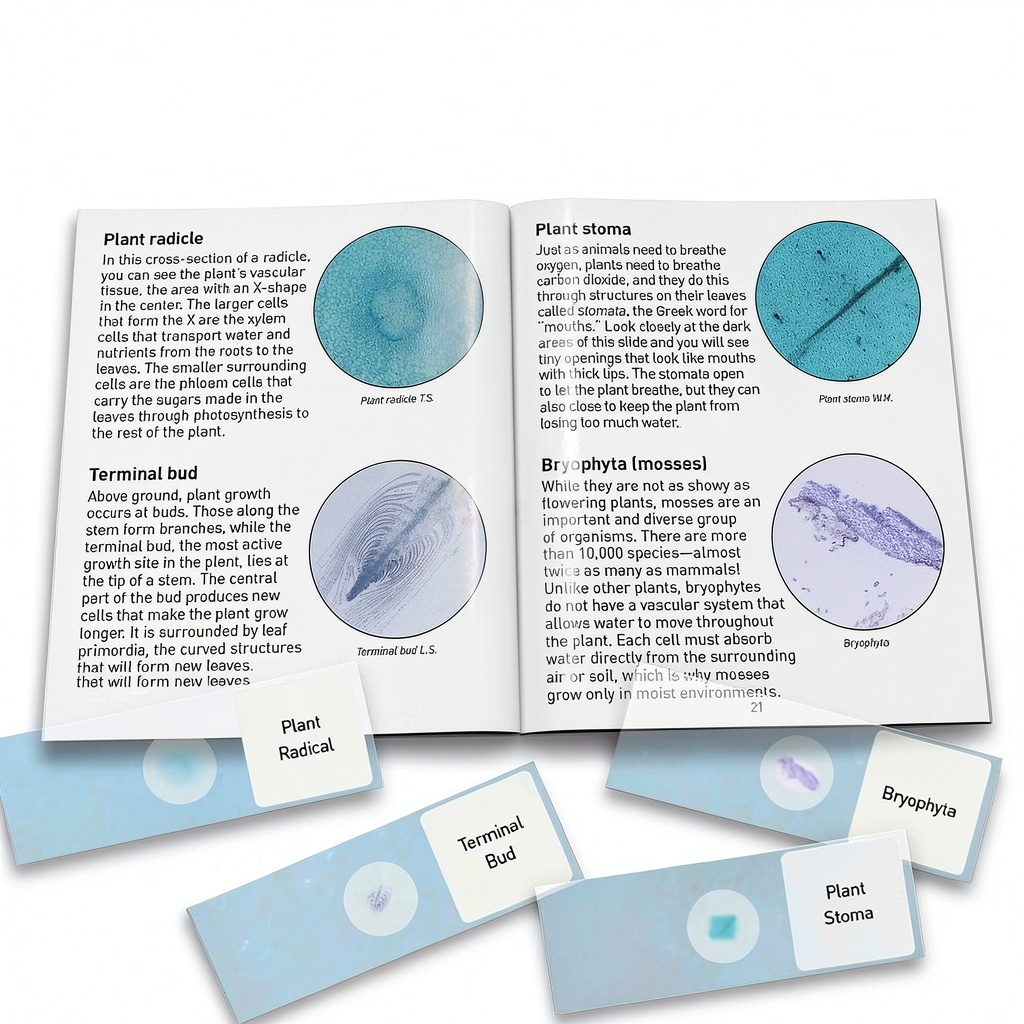
The set includes a comprehensive learning guide that explains the origin, anatomy, and ecological significance of each specimen. Written in accessible language, the guide aligns with middle‑school curricula and supports inquiry‑based learning. All components are packaged to meet safety standards, ensuring that the product is suitable for children eight years of age and older. With a lightweight design—just 11.7 ounces—the entire kit is portable enough for field trips, science fairs, or home study sessions.
Technical specifications underline the product’s quality: each slide measures 5.16 x 4.65 x 1.69 inches, fitting standard laboratory microscopes without modification. The glass thickness conforms to industry standards, reducing optical distortion and extending the lifespan of the slides. The cedar case measures 5.5 x 5.0 x 2.0 inches, providing ample space for the slides and guide while maintaining a compact footprint for storage on shelves or in backpacks.
Designed for educators, hobbyists, and curious minds alike, this collection bridges the gap between textbook diagrams and real‑world observation. By handling authentic specimens, learners develop a deeper appreciation for biodiversity, cellular biology, and the scientific method. The product’s popularity is reflected in its ranking—#23 in Microscope Sample Slides and #3,857 in Educational Science Kits—demonstrating its relevance in both classroom and home environments.
![[Product front view showing all components]](https://www.dininglife.store/wp-content/uploads/2026/06/029f9d3607ed400f8ba63f0e5f242d15.jpg)
Usage
In a classroom setting, teachers can integrate the slides into lesson plans that explore plant physiology, insect anatomy, or animal tissue structure. The learning guide provides step‑by‑step activities, such as comparing the vascular systems of a leaf versus a stem, or identifying nerve fibers in a cross‑section of muscle. Because the slides are pre‑prepared, there is no need for complex staining procedures, allowing more time for observation and discussion.
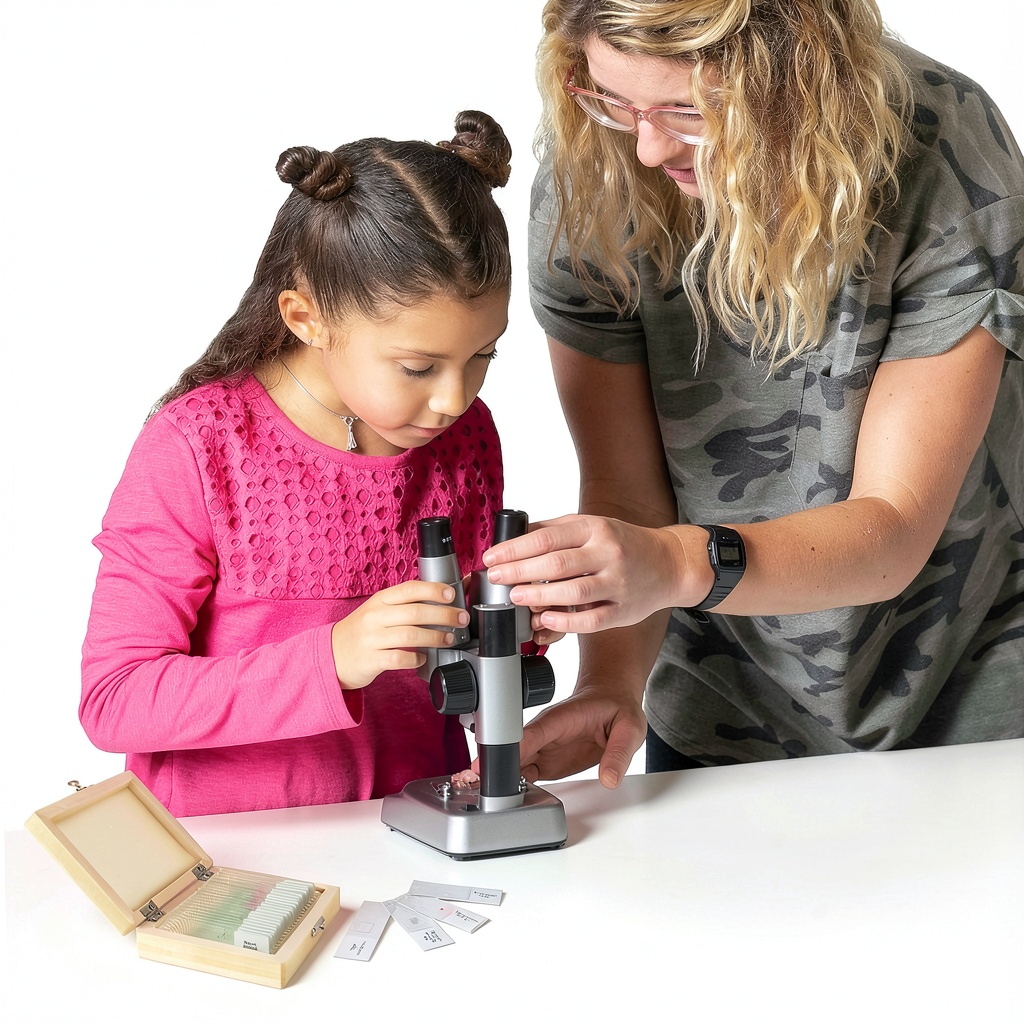
For home‑schooling families, the kit serves as a hands‑on supplement to science textbooks. Parents can guide children through the exploration process, encouraging questions like “Why do insect wings appear iridescent?” or “What functions do muscle fibers perform?” The portable cedar case makes it easy to set up a mini‑lab on a kitchen table or in a backyard tent, fostering informal learning experiences.
Science clubs and after‑school programs benefit from the durability of the cedar case and the robustness of the glass slides. The built‑in labels help students keep track of which specimen they are examining, reducing confusion during group activities. The set also works well for science fairs, where students can present a slide of their choice, explain its biological relevance, and demonstrate proper handling techniques.
Beyond formal education, the slides are ideal for hobbyists who enjoy microscopy as a pastime. Amateur naturalists can use the kit to compare field‑collected specimens with the prepared slides, deepening their understanding of local flora and fauna. The clear glass and well‑preserved samples ensure that even casual observers can appreciate fine details without specialized equipment.
Why Choose Us
National Geographic’s reputation for scientific accuracy and visual storytelling translates into a product that prioritizes authenticity. Each specimen was selected by experts and captured using high‑resolution imaging techniques before being mounted on glass. This ensures that the visual representation matches what researchers observe in professional laboratories.
The cedar storage case is more than a container; it is a sustainable choice that protects the environment while safeguarding the slides. Cedar wood naturally repels moisture and insects, extending the lifespan of the glass components. The case’s built‑in labeling system simplifies inventory management, a feature rarely found in comparable kits.
Customer support is backed by Discover with Dr. Cool, the manufacturer, which offers responsive assistance for any product concerns. If a slide arrives damaged or a label is missing, the company promises a replacement or refund, reinforcing confidence in the purchase. This after‑sales service aligns with the brand’s commitment to educational excellence.
Educational value is amplified by the included learning guide, which aligns with national standards for science education. The guide’s language is crafted to be engaging for middle‑school students while still providing depth for advanced learners. By combining visual, tactile, and textual resources, the kit supports multiple learning styles.
Finally, the product’s design reflects a balance between durability and elegance. The glass slides are thick enough to resist breakage during transport, yet thin enough to fit standard microscope stages. The cedar case’s sleek finish makes it an attractive addition to any classroom shelf, encouraging students to treat scientific tools with respect.
Key Features
- 25 expertly prepared microscope slides covering diverse plant, insect, and animal specimens.
- High‑quality optical glass provides clear, distortion‑free views for detailed study.
- Durable cedar storage case with built‑in labels keeps slides organized and protected.
- Comprehensive learning guide links each specimen to biological concepts and classroom activities.
- Responsive customer support and hassle‑free replacement policy ensure satisfaction.
FAQ
What age group is this microscope slide set appropriate for?
The set is recommended for children eight years and older, making it suitable for elementary, middle, and high school science curricula.
Do I need a special microscope to view these slides?
No special equipment is required. The slides fit standard compound microscopes, and the optical quality allows clear observation at typical magnifications.
Can the cedar case be used for other microscope accessories?
Yes, the case’s interior dimensions accommodate additional slides, small tools, or reference cards, making it a versatile storage solution.
What if a slide arrives cracked or the guide is missing?
Contact the manufacturer’s support team for a prompt replacement or refund. The company stands behind the product with a no‑questions‑asked warranty.
Is the learning guide aligned with any educational standards?
The guide follows national science standards for biology, offering activities that reinforce concepts such as cell structure, tissue function, and ecosystem diversity.

Reviews
There are no reviews yet.