


Description
Product Overview
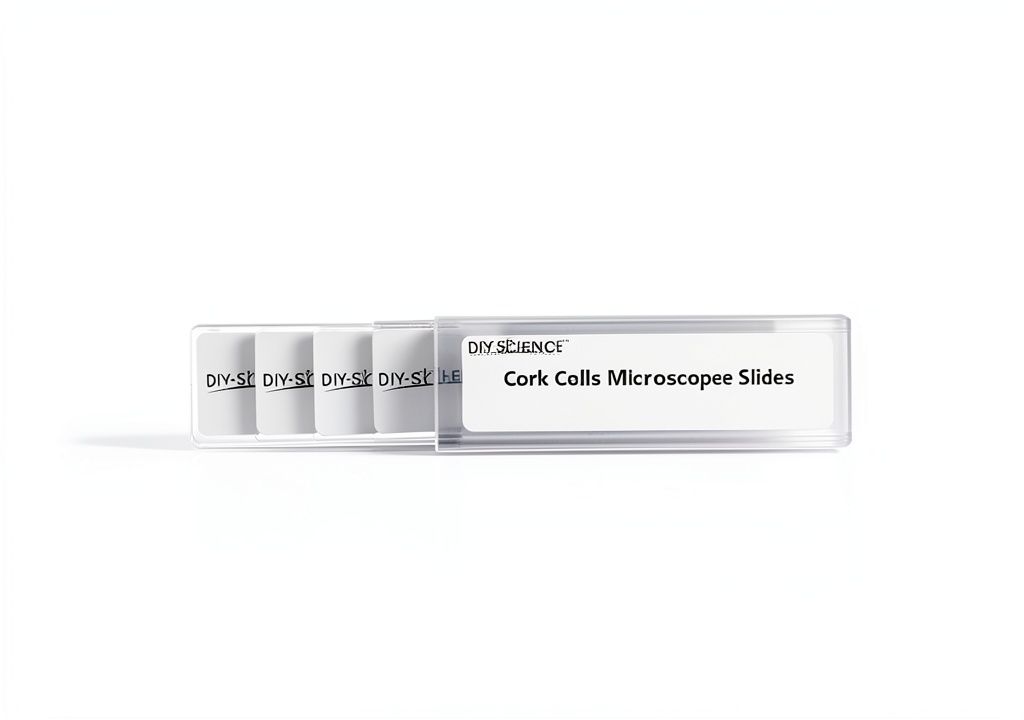
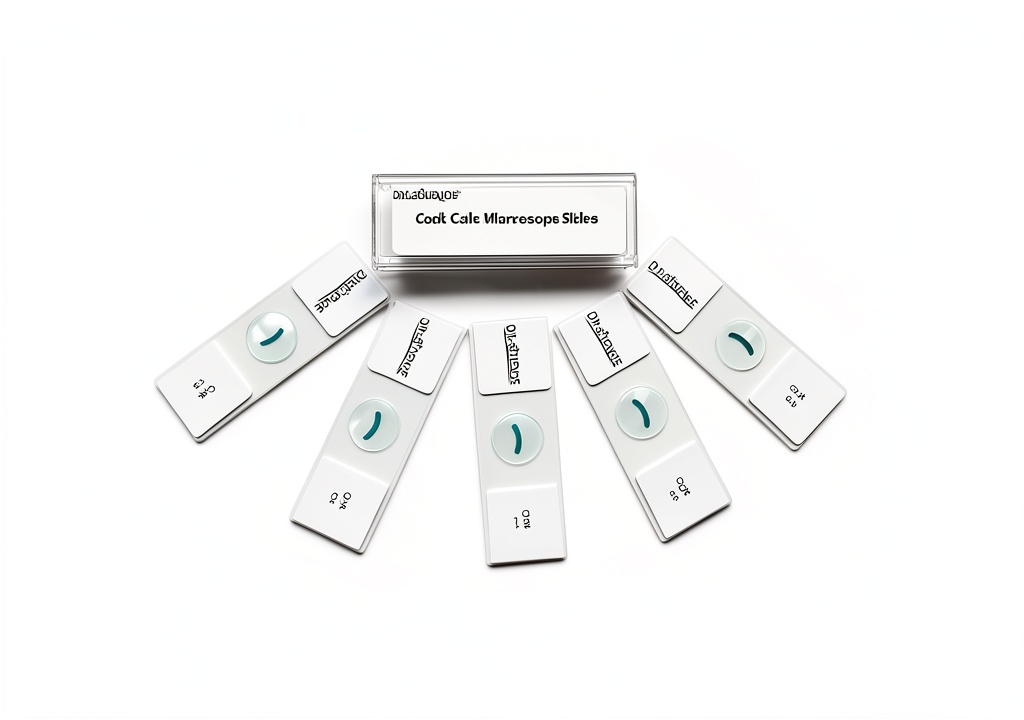
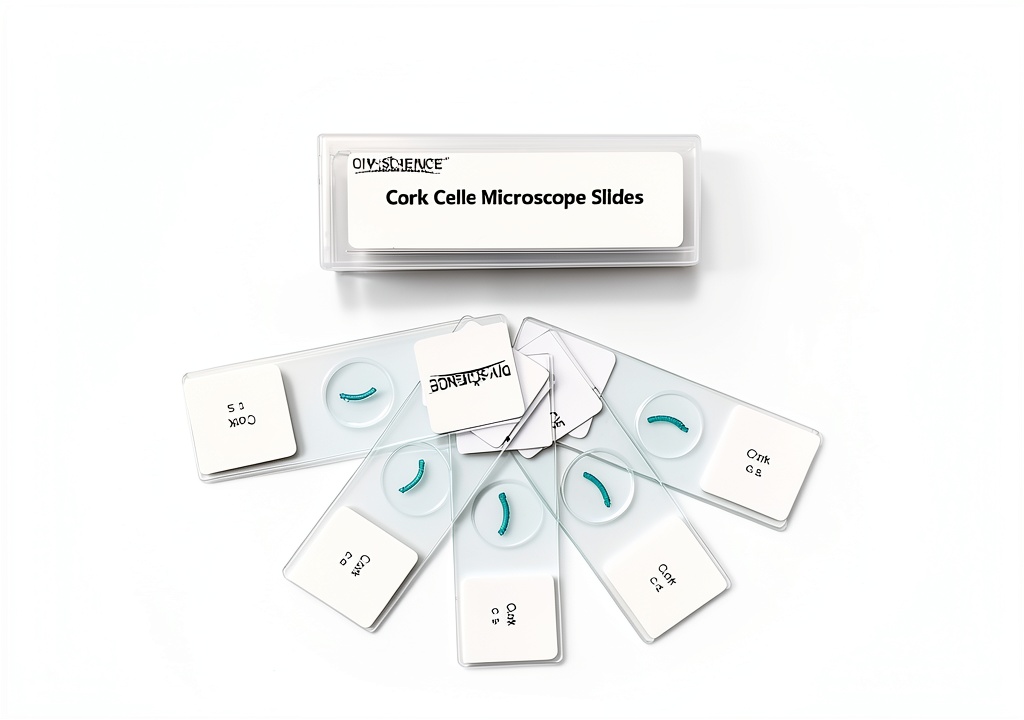
The Cork Cells Prepared Microscope Slides set delivers a focused, classroom‑ready collection of plant cell specimens that bring the invisible world of botany to life. Each of the five slides contains a thin cross‑section of cork tissue, a natural plant material that showcases a distinct cell wall, lumen, and suberized layers. Designed for introductory biology, these slides let students observe the rigid cell wall that defines plant cells, compare it with animal cell structures, and discuss the functional role of cork in protecting stems. The clear, high‑resolution glass provides a distortion‑free view, while the round‑corner design reduces the risk of breakage during handling. By presenting real plant anatomy rather than synthetic diagrams, the slides foster curiosity and reinforce textbook concepts through direct observation. Students can also practice slide preparation techniques by mounting the cork sections on the provided glass, learning how to use cover slips and immersion oil for enhanced magnification. The set aligns with common curriculum standards for middle and high school biology, making it a versatile tool for teachers seeking hands‑on experiments that meet educational objectives.
Usage
These cork cell slides are ideally suited for a variety of educational settings, from traditional classroom labs to remote learning kits. In a standard biology lesson, a teacher can introduce the concept of plant cell walls, then have each student examine a slide under low magnification to locate the outer wall, followed by higher magnification to explore the suberized layers that give cork its waterproof properties. The clear labeling assists learners in identifying the lumen, the central cavity of the cell, and comparing it with animal cell cytoplasm. For home‑school environments, the slides can be paired with inexpensive digital microscopes, allowing parents to conduct guided experiments that mirror school curricula. The durability of the glass and protective case also makes the slides appropriate for science fairs, where students may need to transport their specimens to external venues.
Why Choose Us
Choosing the DIY‑SCIENCE Cork Cells Slides means investing in a product that combines scientific accuracy with classroom practicality. The manufacturer has a reputation for delivering educational supplies that meet rigorous quality standards, and each batch undergoes inspection to ensure clarity of the glass and consistency of the mounting medium. The brand’s commitment to customer satisfaction is reflected in responsive support channels, detailed user guides, and a clear return policy for defective items. By selecting this slide set, schools benefit from a cost‑effective solution that eliminates the need for costly live specimen cultivation or complex slide preparation equipment.
The DIY‑SCIENCE approach emphasizes sustainability and safety. Cork is a renewable resource harvested from the bark of cork oak trees without harming the tree, aligning the product with environmentally responsible teaching practices. The slides are manufactured in a cleanroom environment to prevent contamination, and the rounded corners reduce the likelihood of accidental cuts during handling by younger students. Additionally, the packaging includes recyclable materials, and the bubble‑lined case can be reused for future microscopy projects. The company provides supplemental lesson plans that align with national science standards, offering teachers ready‑made activities that integrate directly with the slides. This comprehensive support package distinguishes the set from generic microscope slide collections that often lack instructional resources.
Key Features
- Five high‑quality cork cell slides provide clear, labeled plant anatomy for easy classroom instruction.
- Standard 75 mm × 25 mm glass size fits most microscopes, ensuring universal compatibility.
- Rounded corners and protective bubble case reduce breakage risk and extend product lifespan.
- Eco‑friendly cork material harvested sustainably, supporting green teaching initiatives.
- Dedicated DIY‑SCIENCE support offers lesson plans, troubleshooting guides, and replacement service.
FAQ
What age or grade level is this slide set appropriate for?
The slides are designed for middle school, high school, and introductory college biology courses, typically suitable for students aged 12 and up.
Do I need any special equipment to view the cork cells?
No special equipment is required; any standard compound microscope or a digital USB microscope with 40×–400× magnification will work.
How are the slides packaged to prevent damage?
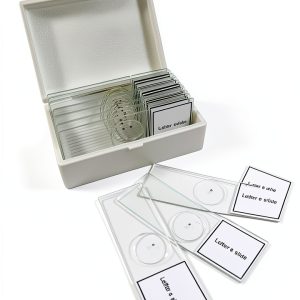
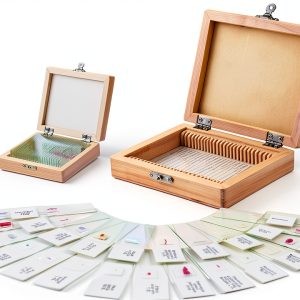
Each slide is placed in an individual bubble‑lined compartment within a reusable case, protecting them from moisture, shock, and scratches.
Can the slides be used with digital microscopes for remote learning?
Yes, the slides work perfectly with digital microscopes, allowing images to be captured and shared online for virtual classroom activities.
Scientific Accuracy
The cellular structures displayed on the cork slides have been verified by botanists to represent authentic anatomical features of Quercus suber, the cork oak species. The preparation process involves fixing the tissue in a preservative solution that maintains cellular integrity while preventing shrinkage. Microscopic examination reveals the characteristic thickened secondary cell wall, the phellem layer, and the intercellular spaces that store air, all of which are critical for accurate scientific study. By providing specimens that mirror natural morphology, the slides enable students to conduct observations that are directly comparable to peer‑reviewed research images, reinforcing the credibility of classroom experiments.
Lesson Plan Examples
An example lesson plan begins with a brief introduction to plant tissue types, followed by a hands‑on activity where each student receives a cork slide and a worksheet prompting them to label the cell wall, lumen, and suberized layers. The teacher then facilitates a discussion on how cork protects trees from dehydration and fire, linking the observation to ecological concepts. A second activity challenges students to calculate the thickness of the cork cell wall using calibrated ocular micrometers, recording data in a shared spreadsheet. The final segment encourages learners to present their findings, fostering communication skills and reinforcing the scientific method.
Assessment Strategies
Assessments can be designed to evaluate both knowledge retention and practical skills. Multiple‑choice quizzes may ask students to identify the function of the suberized layer or to compare cork cell walls with those of herbaceous plants. Practical exams can require students to correctly mount a slide, adjust illumination, and capture a clear image at 400× magnification. Rubrics that score observation accuracy, measurement precision, and the quality of written explanations provide comprehensive feedback. Incorporating peer review, where students critique each other’s sketches and data tables, further deepens understanding and promotes collaborative learning.
Future Expansion
DIY‑SCIENCE plans to expand the cork slide series with additional plant tissue specimens, such as leaf epidermis and root cross‑sections, creating a complete plant anatomy kit. Future releases may include color‑enhanced slides that highlight specific cellular components using fluorescent dyes, enabling advanced fluorescence microscopy lessons. The company also intends to develop an online portal where educators can upload their own slide images, share lesson plans, and access a community forum for best practices. By continuously updating the product line and supporting resources, the brand ensures that the microscopy curriculum remains current with evolving scientific standards.


 Conflicting Worlds Civil War History eBook LSU Press Kindle Edition
  Daniel Tiger's Book – Daniel’s New Friend by Simon Spotlight – Ages
Reviews
There are no reviews yet.