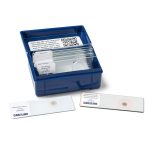
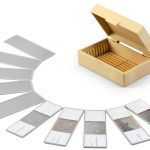









Description
Product Overview
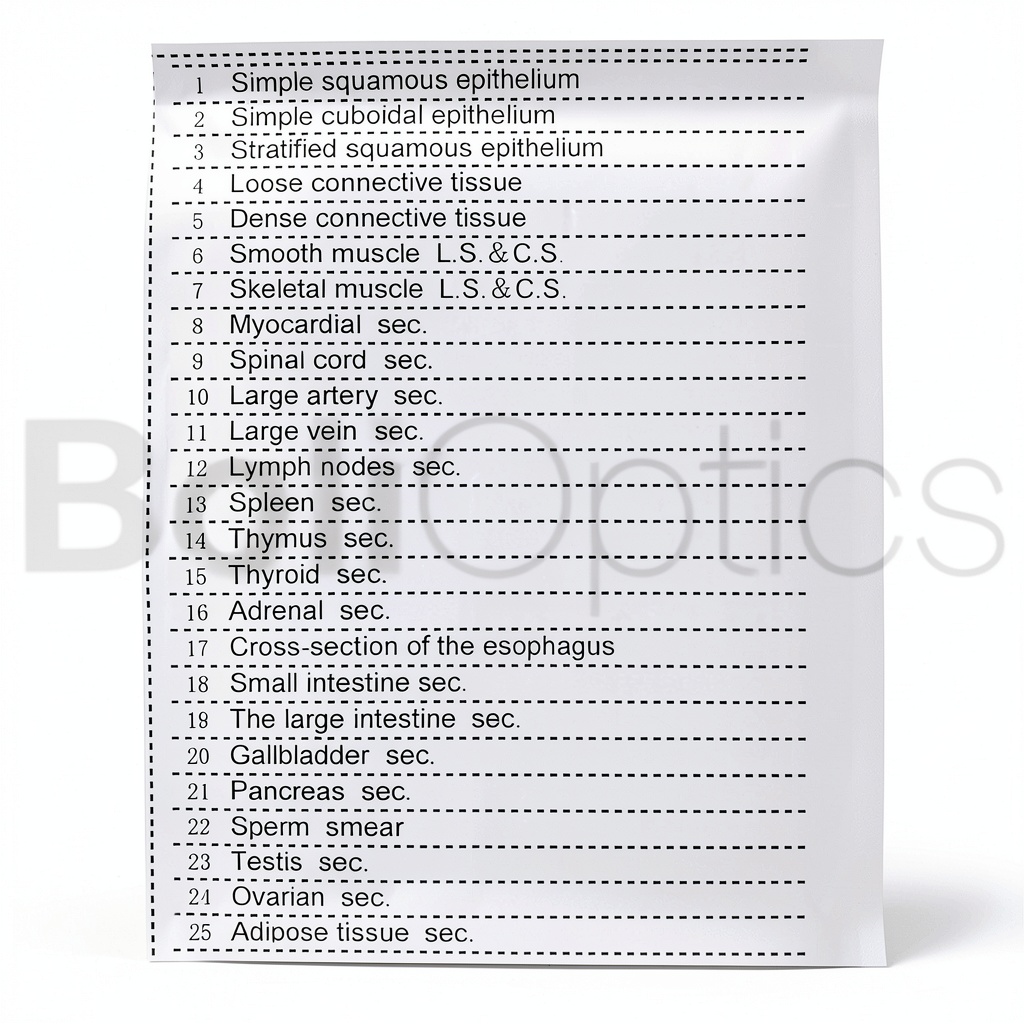
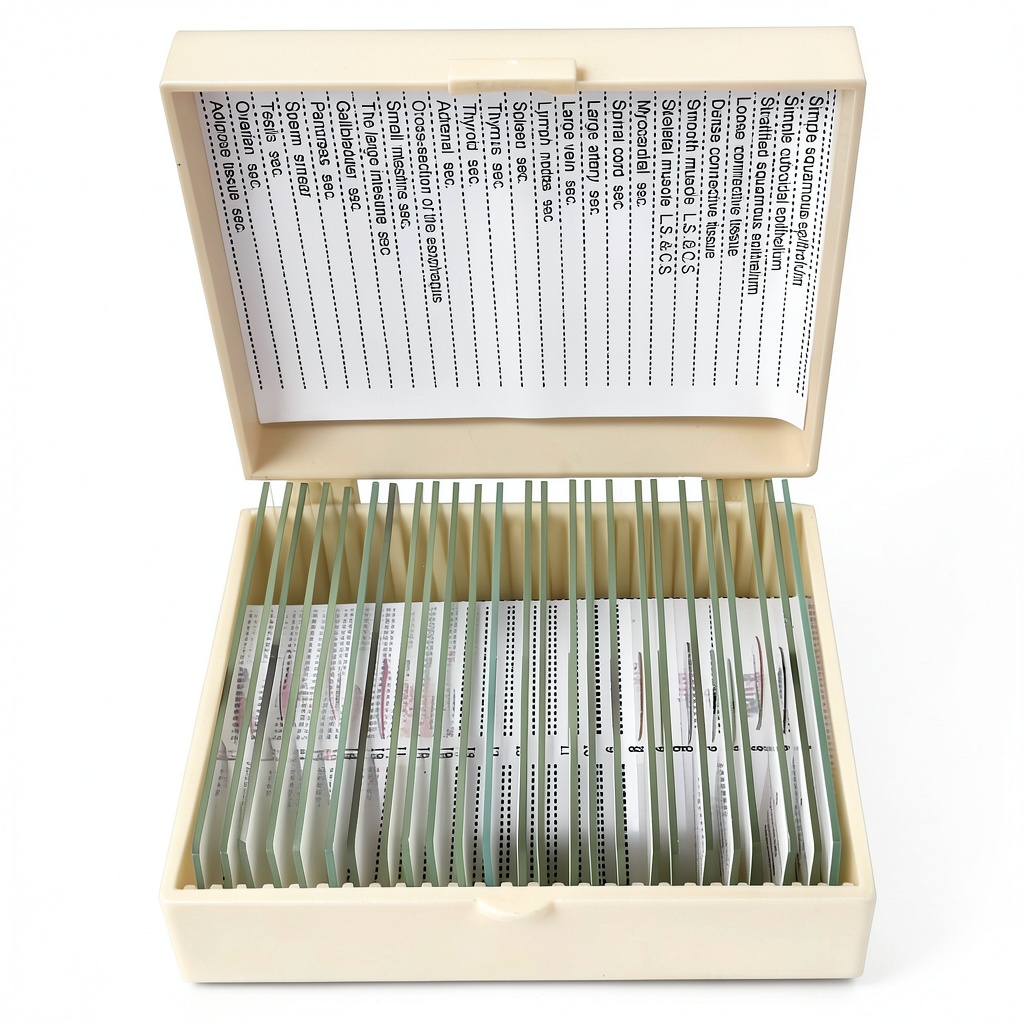
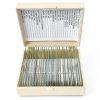
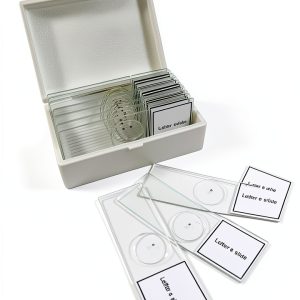
The Boli Optics prepared microscope slide set delivers a professional-grade learning tool for students, educators, and hobbyists interested in human anatomy. Each of the 25 slides is crafted from high‑clarity optical glass that provides a distortion‑free view of the tissue structures under magnification. The specimens are carefully harvested, fixed, and mounted to preserve their natural coloration and morphology, allowing users to observe organs, tissues, and cellular details with exceptional fidelity. Every slide carries a clear, printed label that identifies the anatomical source, making it easy to locate the desired sample during a lab session. The inclusion of protective coverslips ensures that the specimens remain uncontaminated and that the glass surface stays clean, extending the usable life of the collection.
The production of each slide begins with the selection of premium-grade glass sourced from certified suppliers, ensuring uniform thickness and optical homogeneity. Tissue samples are obtained from accredited anatomical donors and processed in a controlled laboratory environment to preserve cellular architecture. After fixation, the specimens are embedded in a clear mounting medium that matches the refractive index of the glass, reducing light scattering and enhancing contrast. The mounting process is performed under laminar flow hoods to maintain sterility, and each slide is inspected with a high‑resolution camera to verify that the image quality meets the stringent criteria set by Boli Optics. This rigorous workflow guarantees that educators receive a product that not only meets but exceeds the expectations of modern science curricula.
The slide set aligns with common educational standards such as the Next Generation Science Standards (NGSS) and the American Association for Anatomy curriculum guidelines. By providing authentic human tissue samples, the collection enables students to meet learning objectives related to cell structure, tissue organization, and organ system function. Teachers can integrate the slides into competency‑based assessments, asking learners to identify specific anatomical features, compare normal and pathological variations, and articulate the significance of each specimen within the broader context of human biology. The ready‑to‑use format also supports blended learning environments, where digital resources can be paired with physical observation to reinforce concepts and accommodate diverse learning styles.
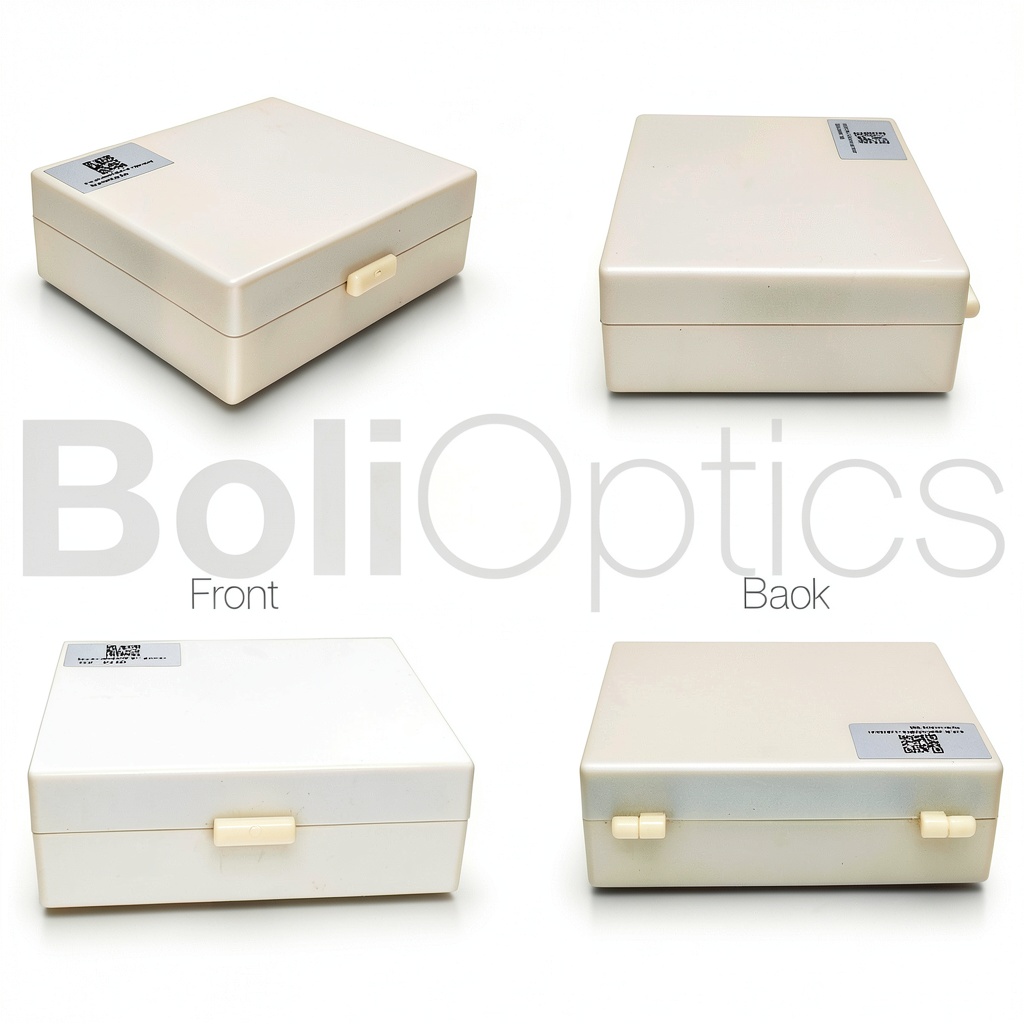
Each slide is individually sealed in a protective film and then grouped into sub‑packs of five, providing an extra layer of safety during transport. The outer carton is printed with handling instructions and a QR code that links to a downloadable user manual, ensuring that recipients can quickly access setup guidance. The product complies with CE marking requirements for laboratory equipment and meets ASTM standards for optical glass quality, giving institutions confidence that the slides are both safe and reliable for educational use. Shipping is handled through reputable carriers with tracking, and the packaging is designed to withstand the rigors of international freight while maintaining the integrity of the delicate glass components.
Looking ahead, Boli Optics plans to expand the collection with additional organ systems and pathological specimens, providing educators with a broader repertoire for comparative studies. Feedback from instructors will guide the development of new slides, ensuring that the product line continues to evolve in step with emerging educational standards and scientific discoveries.
![[Product front view showing all components]](https://www.dininglife.store/wp-content/uploads/2026/06/bc4ecd06b5e64586b8bba33e94f1c006.jpg)
Usage
These slides are ideal for high school biology classes, undergraduate anatomy labs, and independent study environments. In a typical classroom setting, an instructor can distribute a few slides per student group, allowing each learner to practice focusing techniques, adjust illumination, and record observations in a lab notebook. The clear labeling simplifies the identification process, so students spend more time analyzing the specimen rather than searching for reference material. For home learners, the set provides a hands‑on experience that bridges textbook diagrams and real‑world observation, fostering deeper retention of anatomical concepts.
Beyond educational use, the slides serve as a valuable resource for medical illustration, forensic training, and hobbyist microscopy clubs. Professionals who require quick reference material can rely on the consistent quality of the optical glass to produce sharp images suitable for photography or digital documentation. The durable coverslips protect the specimens during repeated handling, making the collection a long‑lasting addition to any laboratory inventory.
For research laboratories that require consistent reference material, the slides serve as a benchmark for calibrating microscope performance. By imaging a known tissue sample, technicians can verify resolution, contrast, and color fidelity across different instruments, ensuring that data collected from experimental specimens remains comparable. The optical glass’s high transmission rate also makes the slides suitable for fluorescence microscopy when paired with appropriate filters, allowing researchers to explore cellular structures labeled with fluorescent markers. This versatility extends the utility of the set beyond classroom instruction into professional scientific workflows.
When handling the slides, users should wear disposable gloves to prevent oils from their skin contaminating the glass surface. It is recommended to work in a well‑ventilated area and to avoid direct inhalation of any residual chemicals from the mounting medium. Slides should be placed on a clean microscope stage, and the coverslip should never be removed unless a specific staining protocol requires it. After each use, the slides can be gently wiped with a lint‑free cloth moistened with isopropyl alcohol to remove fingerprints, then returned to the storage box. Proper handling not only preserves image quality but also extends the lifespan of the specimens for future classes.
Why Choose Us
Boli Optics has built its reputation on delivering precision optical components that consistently meet rigorous scientific standards. Every slide in this collection undergoes a multi‑stage quality assurance protocol that begins with raw glass inspection using interferometric analysis to confirm uniform thickness and absence of inclusions. After the specimens are mounted, the slides are examined under polarized light to detect any residual stress or birefringence that could compromise image clarity. Labels are printed with laser‑etched technology to ensure durability and legibility even after repeated cleaning. This comprehensive testing regimen, combined with ISO‑9001 certification of the manufacturing facility, minimizes the risk of defects and guarantees that educators receive a reliable teaching aid that performs consistently across multiple classroom sessions.
Customer satisfaction is reinforced by a 100 % guarantee that covers any manufacturing issues. If a slide arrives damaged or the specimen appears compromised, the support team will promptly replace the item at no additional cost. This after‑sales service reflects Boli Optics’ confidence in its products and its dedication to supporting the educational community. In addition to the replacement policy, the company provides a dedicated technical helpline staffed by microscopy specialists who can answer questions about slide handling, microscope alignment, and troubleshooting common imaging problems. Users can also access an online knowledge base that includes video tutorials, best‑practice guides, and downloadable lesson plans, ensuring that educators have the resources they need to maximize the educational impact of the slide set.
The set’s design emphasizes both scientific rigor and user convenience. Optical glass of 1.34 × 3.86 × 3.23 inches dimensions fits standard microscope stages, while the pre‑applied coverslips eliminate the need for additional preparation steps. Each slide is mounted with a low‑viscosity medium that matches the refractive index of the glass, reducing chromatic aberration and providing a crisp, high‑contrast image across a range of magnifications. The labeling system uses a durable, water‑resistant ink that survives repeated cleaning with ethanol or isopropyl alcohol, ensuring that the identification remains legible throughout the product’s lifespan. By streamlining the workflow, instructors can focus on teaching objectives rather than equipment setup, and students can spend more time analyzing specimens and recording observations.
Environmental responsibility is also a priority for Boli Optics; the packaging materials are recyclable, and the manufacturing process follows sustainable practices to minimize waste and energy consumption. The glass substrates are sourced from suppliers that adhere to strict environmental standards, reducing the carbon footprint associated with raw material extraction. During production, water recycling systems capture and reuse process water, while waste glass is reclaimed for secondary applications such as laboratory equipment components. By choosing this slide set, institutions not only gain a high‑quality educational resource but also demonstrate a commitment to ecological stewardship, aligning with the growing emphasis on sustainability in academic curricula.
Boli Optics fosters a community of educators and scientists through regular webinars, workshops, and an online forum where users can exchange lesson plans, microscopy techniques, and troubleshooting tips. Subscribers receive early access to new slide collections and updates on best practices for specimen handling. The company also collaborates with academic institutions to develop customized slide sets that address specific curriculum needs, reinforcing its role as a partner in science education rather than just a supplier. This collaborative approach ensures that the products evolve in response to real‑world classroom challenges.
Key Features
- High‑clarity optical glass delivers distortion‑free images, allowing detailed observation of tissue structures at various magnifications.
- Twenty‑five distinct human anatomy specimens are pre‑labeled, simplifying identification and saving classroom time.
- Protective coverslips seal each slide, preventing contamination and extending the lifespan of the collection.
- Compact, resealable packaging protects slides during transport and fits easily on laboratory benches or in storage drawers.
- Comes with a 100 % satisfaction guarantee and responsive after‑sales support for any issues.
FAQ
Can these slides be used with any standard microscope?
Yes, the slides conform to the standard size and thickness used by most compound microscopes, fitting comfortably on any stage without the need for adapters. The optical glass is compatible with both bright‑field and phase‑contrast illumination, allowing users to explore a range of imaging techniques. Whether you are using a classroom‑grade microscope, a research‑level instrument, or a portable digital microscope, the slides will provide clear, distortion‑free views of the specimens.
Are the specimens suitable for advanced histology studies?
The slides provide clear anatomical detail that is well suited for introductory and intermediate courses in biology and anatomy. For advanced histology, the specimens are prepared without specialized staining, so they may lack the contrast required for detailed cellular analysis. However, they can still serve as a useful reference for tissue architecture, and educators can supplement them with additional stained sections or virtual microscopy resources when deeper histological investigation is needed.
What is the recommended storage condition?
Store the slides in a cool, dry environment away from direct sunlight and extreme temperature fluctuations. The original resealable box provides an effective barrier against dust and moisture, but for long‑term preservation it is advisable to keep the slides in a dedicated slide cabinet with humidity control. Avoid stacking heavy objects on top of the box, and handle each slide by the edges to prevent fingerprints on the glass surface.
How does the replacement guarantee work?
If a slide arrives with a broken cover slip, a visible defect, or a compromised specimen, simply contact Boli Optics within 30 days of receipt. Provide the order number and a brief description or photo of the issue, and the support team will arrange for a replacement to be shipped at no additional cost. The guarantee also covers any manufacturing defects discovered during normal use, ensuring that the educational value of the set is maintained without interruption.



 Golden Disney African Safari Storybook Ages 1-5 Kindle Edition
  Allium Root Tip Microscope Slide Eisco Prepared with DNA Stain
Reviews
There are no reviews yet.