

Description
Product Overview
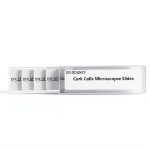
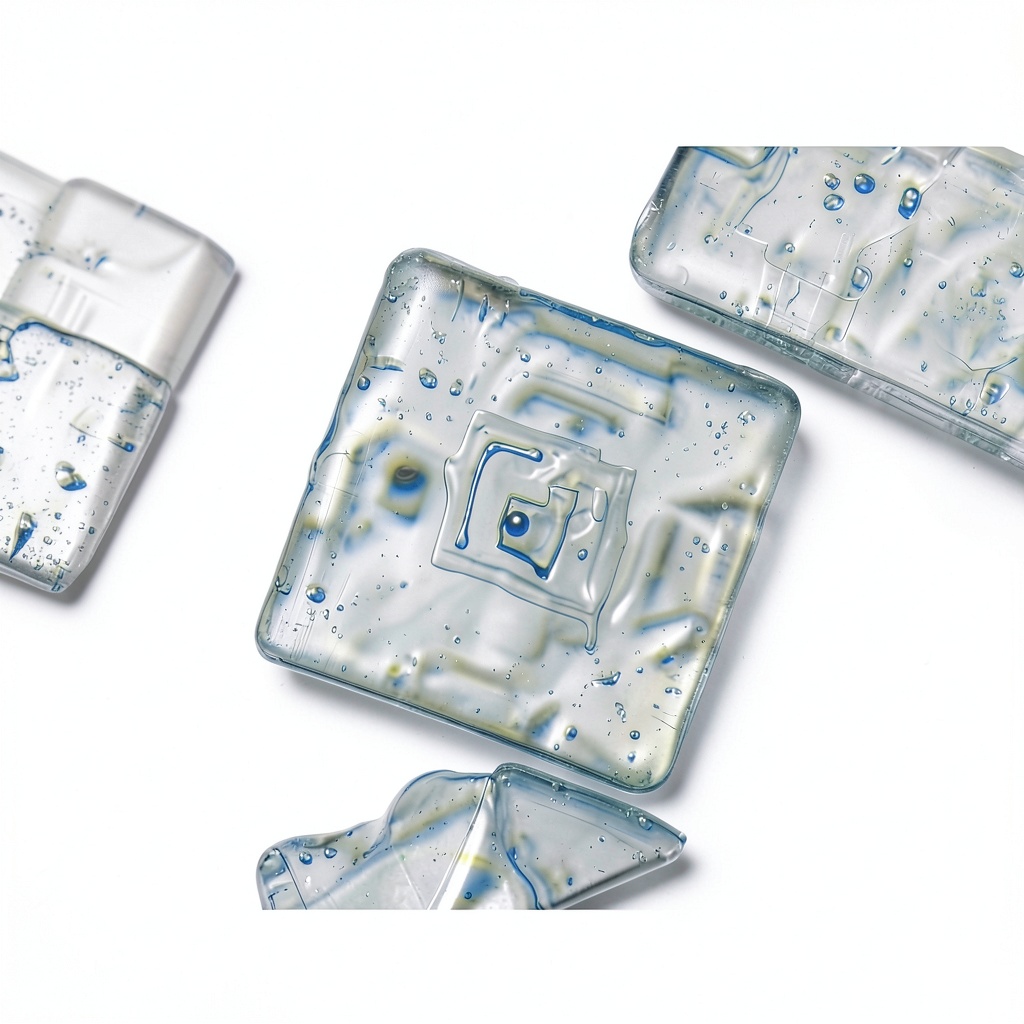
Carolina Biological Supply Company’s Salt Crystals Microscope Slides are engineered for clear, high‑purity crystal specimens that reveal intricate mineral structures under magnification. Each slide is prepared on a standard 1‑inch square glass base, measuring 2.1 × 3.4 × 1.2 inches and weighing only 0.48 ounces, making them lightweight yet robust enough for repeated handling in busy laboratory environments. The salt crystals are harvested from controlled evaporative processes, ensuring uniform crystal size and minimal impurities that could obscure optical clarity. This meticulous preparation allows students and researchers to observe lattice patterns, facet growth, and dissolution dynamics without the interference of dust or air bubbles.
Designed specifically for the K‑12 and early college curriculum, the slides meet the recommended age of eight years and up, aligning with national science standards for hands‑on inquiry. The clear glass substrate is chemically inert, preventing any reaction between the salt crystals and the slide surface, which preserves the sample integrity over multiple observation cycles. In addition, the slides are packaged in a resealable, anti‑static container that protects them from moisture and contamination, extending their usable life for semester‑long projects or extended hobbyist collections.
The product dimensions of 2.1 × 3.4 × 1.2 inches allow the slides to fit comfortably into standard microscope slide trays and storage boxes, while the low weight of 0.48 ounces reduces the risk of breakage during transport. The ASIN B007VCMZ9E and best‑seller rank of #55 in Microscope Sample Slides reflect the strong demand among educators and amateur scientists who value consistency and ease of use. Each slide arrives with a pre‑mounted crystal layer, eliminating the need for users to prepare their own specimens and ensuring uniform presentation across the class.
Compatibility with a wide range of optical equipment is a core design principle. Whether paired with a basic classroom compound microscope, a mid‑range research instrument, or a digital camera attachment for microscopy, the slides maintain a flat, optically clear surface that minimizes distortion. The crystal thickness is calibrated to provide optimal light transmission, allowing both bright‑field and polarized light techniques to highlight the unique birefringent properties of salt crystals. This versatility supports curriculum modules on mineralogy, crystallography, and physical chemistry without requiring additional accessories.
The educational impact of these slides extends beyond visual observation. By providing a consistent, reproducible sample, instructors can design quantitative experiments such as measuring crystal growth rates, calculating solubility, or comparing the effects of temperature and humidity on crystal morphology. The slides also serve as a reliable reference for students preparing lab reports, enabling them to capture high‑resolution images for documentation and presentation. With Carolina’s long‑standing reputation for scientific supplies dating back to 1927, educators can trust that the product aligns with rigorous pedagogical standards.
Shipping logistics have been optimized to ensure that the slides arrive intact and ready for immediate use. Carolina ships the product from its Burlington, North Carolina facility using cushioned packaging that absorbs shocks and protects the glass substrates from breakage. Tracking information is provided for each order, allowing educators to plan delivery schedules around semester start dates and avoid disruptions to lab curricula.
Digital imaging integration is straightforward; the slides produce high‑contrast images that are compatible with most microscope cameras and smartphone adapters. Users can capture detailed photographs of crystal facets and share them directly to learning management systems or cloud storage for collaborative analysis. The consistent optical quality reduces the need for post‑processing, enabling faster turnaround from observation to report.
Long‑term durability is enhanced by the slide’s protective coating, which resists scratches and chemical exposure during routine cleaning. Instructors can gently rinse slides with distilled water after experiments, and the coating prevents crystal loss while preserving the sample’s structural integrity for future observations. This resilience supports repeated use across multiple semesters, offering cost‑effective value for educational institutions.
Feedback from classroom pilots indicates that students develop a deeper appreciation for the microscopic world when they can directly observe the orderly geometry of salt crystals. The tactile experience of handling the slides, combined with visual analysis, reinforces concepts of molecular arrangement and encourages curiosity‑driven inquiry. By integrating these slides into curricula, teachers report increased engagement and higher retention of key scientific principles.
Usage
In secondary school biology and chemistry labs, teachers often need reliable specimens that demonstrate fundamental principles without extensive preparation time. The Salt Crystals Microscope Slides fulfill this need by offering ready‑to‑use samples that can be examined within minutes of opening the package. Students can explore crystal habit, facet geometry, and dissolution patterns by adding a drop of water or dilute acid directly onto the slide, observing real‑time changes under magnification.
For hobbyist astronomers who also enjoy microscopy, the slides provide a convenient bridge between celestial observation and terrestrial sample study. After a night of stargazing, enthusiasts can transition to the lab bench, using the same microscope that may be attached to a telescope eyepiece, to investigate the microscopic world. The consistent quality of the salt crystals ensures that hobbyists can capture clear images for sharing on online forums or social media, fostering a community of citizen scientists.
University level mineralogy courses often require high‑resolution specimens for comparative analysis. The slides’ uniform crystal size and lack of contaminants make them ideal reference points when students compare natural mineral samples to synthetic analogs. In addition, the pre‑mounted format allows instructors to allocate more class time to data interpretation rather than slide preparation, improving overall instructional efficiency.
Beyond formal education, the slides serve well in outreach programs at museums and science fairs, where visitors of all ages can quickly see the beauty of crystal geometry. The compact packaging and low weight simplify transport to off‑site events, while the clear labeling on each slide helps volunteers guide participants through step‑by‑step observation activities.
Remote or hybrid learning environments benefit from the slides’ ease of use, as students can receive a pre‑packed set at home and conduct experiments with a simple USB microscope. Instructors can assign virtual lab reports, where learners upload images and data for peer review, maintaining engagement despite physical distance. The standardized sample eliminates variability that often complicates remote assessments.
Specialized projects, such as investigating the effect of temperature gradients on crystal dissolution, can be easily set up by placing a slide on a heated stage and recording the process over time. The predictable behavior of the salt crystals provides a reliable baseline, allowing students to focus on experimental design and data interpretation rather than dealing with unpredictable sample quality.
Interdisciplinary collaborations can be fostered by pairing the crystal slides with chemistry, physics, and art projects. For example, students may photograph the crystals under different lighting conditions to create scientific illustrations, or calculate refractive indices using Snell’s law. Such activities encourage creative problem‑solving and demonstrate the relevance of microscopy beyond traditional laboratory settings.
All slides comply with ASTM standards for laboratory glassware, and the salt crystals are sourced from food‑grade materials, ensuring they are safe for student handling. The product’s low weight and sturdy construction also meet OSHA guidelines for ergonomic handling, reducing the risk of strain during repeated slide changes. Schools can confidently incorporate the slides into their safety protocols without additional regulatory concerns.
Why Choose Us
Carolina Biological Supply Company has been a trusted source for science education materials since 1927, and its commitment to quality is reflected in every Salt Crystals Microscope Slide. Each slide undergoes rigorous quality control checks, including microscopic inspection for surface defects and crystal uniformity, ensuring that educators receive a product that meets professional standards.
The company’s technical support team is available Monday through Friday, 8:00 am to 6:00 pm ET, offering live chat and phone assistance for any questions related to slide handling, experiment design, or curriculum integration. This level of service helps teachers troubleshoot unexpected results quickly, keeping classroom time focused on learning rather than equipment issues.
Environmental sustainability is also a priority. The salt crystals are sourced from natural evaporative processes that use minimal energy, and the glass slides are manufactured from recycled silica, reducing the overall carbon footprint. By choosing these slides, institutions contribute to greener laboratory practices without compromising scientific rigor.
Finally, the product’s best‑seller rank of #55 in Microscope Sample Slides and #244 in Microscope Accessories demonstrates broad acceptance among both academic and hobbyist markets. This popularity, combined with Carolina’s long‑standing reputation, gives buyers confidence that they are investing in a proven, dependable resource for ongoing scientific exploration.
Carolina offers a suite of supplemental teaching resources, including lesson plans, video demonstrations, and assessment rubrics that align with the use of these slides. Educators can download these materials from the company’s website at no additional cost, streamlining curriculum development and ensuring that classroom activities are pedagogically sound.
Feedback from thousands of teachers worldwide informs ongoing product improvements. Carolina regularly surveys its user base to identify emerging needs, such as incorporating new crystal types or enhancing slide durability. This customer‑driven approach guarantees that the Salt Crystals Microscope Slides remain at the forefront of science education tools.
Carolina’s commitment to continuous improvement includes a robust warranty program. If any slide is found defective within the first year of purchase, the company will replace it at no additional cost, reinforcing confidence in product reliability. This warranty, combined with the comprehensive support network, underscores the brand’s dedication to customer satisfaction.
Key Features
- Uniform crystal size and high purity ensure consistent optical clarity, allowing students to observe detailed lattice structures without interference from impurities or uneven surfaces. This reliability supports repeatable experiments and accurate data collection across multiple class periods.
- Pre‑mounted crystal layer eliminates preparation time, so teachers can focus on instruction rather than slide mounting, streamlining lab sessions and maximizing hands‑on learning opportunities. The ready‑to‑use design also reduces waste and ensures each student works with an identical specimen.
- Standard 1‑inch square glass format fits all common microscope slide trays and carriers, providing seamless integration with existing equipment and eliminating the need for adapters or custom holders. This compatibility speeds up setup and reduces classroom downtime.
- Durable packaging with resealable anti‑static sleeves protects slides from moisture and contamination, extending their shelf life and ensuring reliable performance throughout semester‑long projects or extended hobbyist use. The robust design also withstands frequent transport between labs and field sites.
- Carolina’s dedicated technical support team offers prompt assistance and detailed guidance, helping educators troubleshoot issues and integrate the slides into curriculum, which enhances student engagement and confidence in scientific inquiry. This after‑sales service adds value and ensures long‑term satisfaction with the product.
FAQ
Can the salt crystal slides be used with both bright‑field and polarized light microscopy?
Yes, the slides are compatible with both bright‑field and polarized light techniques. The crystal thickness is optimized to transmit sufficient light for bright‑field imaging, revealing clear outlines and surface features. When placed under polarized illumination, the inherent birefringence of the salt crystals produces vivid interference colors that highlight internal lattice orientations. This dual capability allows instructors to demonstrate fundamental optical principles, such as anisotropy and refractive index differences, within a single specimen. Users should ensure the microscope’s polarizer is correctly aligned and may need to adjust the condenser aperture for optimal contrast. The slides’ high purity also minimizes stray light, resulting in sharp, high‑contrast images in both modes.
What safety precautions should be taken when handling the salt crystal slides in a classroom?
While the salt crystals are non‑toxic, they are hygroscopic and can dissolve if exposed to moisture, so slides should be handled with dry hands and stored in the provided anti‑static container when not in use. Teachers should instruct students to avoid direct contact with the crystal surface using gloves if the experiment involves adding liquids, as the solution may become slightly saline. In case of accidental ingestion of a small amount of crystal, rinse the mouth with water and seek medical advice, although the risk is minimal. All standard laboratory safety protocols, including wearing safety goggles and disposing of used slides in designated waste bins, should be followed.
How many slides are included per pack, and can additional packs be ordered for larger classes?
Each package contains 20 pre‑mounted salt crystal slides, providing enough material for a typical class of 20‑30 students to work individually or in small groups. For larger courses, schools can purchase multiple packs, and bulk ordering options are available through Carolina’s online catalog or authorized distributors. Volume discounts may apply for orders of ten packs or more, allowing institutions to manage budget constraints while maintaining consistent sample quality across all laboratory sections.
What educational standards or curriculum topics align with the use of these salt crystal slides?
The slides support national science standards such as NGSS for middle and high school, covering topics like matter and its interactions, chemical reactions, and the properties of minerals. They are ideal for lessons on crystal growth, solubility, phase changes, and the role of ions in solution. Additionally, the specimens can be incorporated into interdisciplinary projects that link chemistry with earth science, allowing students to explore real‑world applications of theoretical concepts.




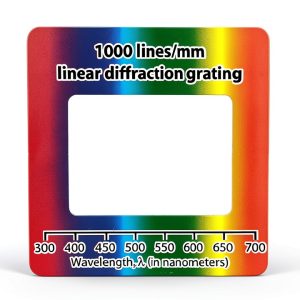 Linear Diffraction Grating 1000 LPM by Scientific Equipment of Houston
 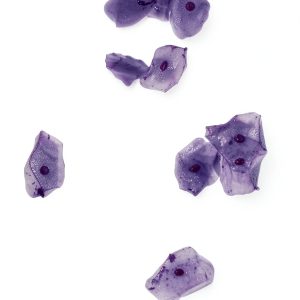 Carolina Biological Microscope Slides 30 Clear Glass for Education
Reviews
There are no reviews yet.